| Featured Research How much can weight loss improve obstructive sleep apnea in obese patients with type 2 diabetes? 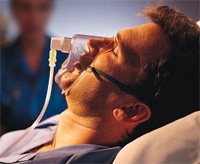 It is estimated that more than 12 million Americans have sleep apnea and more than half of those with this condition are overweight. If left untreated, sleep apnea can increase an individual’s risk for high blood pressure, stroke, heart attack, and heart failure, as well as increase his/her risk of having work-related or driving accidents. The most common type of sleep apnea is obstructive sleep apnea in which the airway has collapsed or is blocked during sleep. New research shows diabetic individuals who lose weight through a lifestyle intervention program can significantly improve their obstructive sleep apnea. It is estimated that more than 12 million Americans have sleep apnea and more than half of those with this condition are overweight. If left untreated, sleep apnea can increase an individual’s risk for high blood pressure, stroke, heart attack, and heart failure, as well as increase his/her risk of having work-related or driving accidents. The most common type of sleep apnea is obstructive sleep apnea in which the airway has collapsed or is blocked during sleep. New research shows diabetic individuals who lose weight through a lifestyle intervention program can significantly improve their obstructive sleep apnea.
Read a summary of the research study Tip Sheet National Sleep Disorders Research Plan This special report summarizes new knowledge acquired in the area of sleep disorder research since 1996, and provides an updated and expanded guide for scientific research on sleep and its disorders. The plan also features sections on basic sleep science, neurobehavioral and physiological effects of restricted sleep, enabling technology, sleep and health, sleep disorders, education and training, and pediatrics. Explore the sleep disorders research plan NHLBI Diseases and Conditions Index (DCI) Sleep Apnea Sleep apnea is a common disorder in which an individual may have one or more pauses in breathing or shallow breaths while they sleep. Breathing pauses can last from a few seconds to minutes, and often occur 5 to 30 times or more an hour. Treatment is aimed at restoring regular breathing during sleep and relieving symptoms. Lifestyle changes, mouthpieces, breathing devices, and/or surgery are used to treat sleep apnea. Continuous positive airway pressure (CPAP) is the most common treatment for moderate to severe sleep apnea. Learn more about sleep apnea Researcher Profile  Susan Redline, M.D., M.P.H., is leading the first large-scale study in the U.S. to determine whether two common sleep apnea treatments reduce patients' risk of cardiovascular disease. Supported by an NHLBI American Recovery and Reinvestment Act-funded Grand Opportunity grant, her team is recruiting 1,400 cardiovascular clinic patients who have moderate to severe sleep apnea and monitoring their sleep at home. Her goal is to help doctors integrate sleep medicine into routine cardiology care and develop evidence-based treatment guidelines, ultimately lowering deaths from sleep apnea-related heart disease. Susan Redline, M.D., M.P.H., is leading the first large-scale study in the U.S. to determine whether two common sleep apnea treatments reduce patients' risk of cardiovascular disease. Supported by an NHLBI American Recovery and Reinvestment Act-funded Grand Opportunity grant, her team is recruiting 1,400 cardiovascular clinic patients who have moderate to severe sleep apnea and monitoring their sleep at home. Her goal is to help doctors integrate sleep medicine into routine cardiology care and develop evidence-based treatment guidelines, ultimately lowering deaths from sleep apnea-related heart disease.
Meet Dr. Redline and learn about her research Resources |
At a Glance:
Healthy Sleep
This easy-to-read fact sheet provides the latest science-based information about sleep, dispels common sleep myths, and provides practical tips for getting healthy sleep. |
Your Guide to
Healthy Sleep
This patient and public booklet provides the latest science-based information about sleep. |
In Brief: Your Guide to
Healthy Sleep
A 2-page fact sheet of key messages from the "Your Guide to Healthy Sleep" booklet. Includes information on sleep disorders and coping tips for jet lag and nighttime shift work. | |